J
Jenny McFarlane
Guest
- Thread Author
- #1
If you wake up to steamy windows or find yesterday's washing still damp, these everyday frustrations could signal that excess moisture is building up in your home.
Cooking, showering, and drying laundry indoors all release moisture into the air. In autumn and winter, when windows stay closed longer, that moisture can become harder to manage, and that's where a good dehumidifier can help.
A dehumidifier can help bring indoor humidity under control, but how do you know whether you actually need one? These are the five signs top experts say to look out for in your home.

(Image credit: Getty Images/Kinga Krzeminska)
A little condensation might not seem particularly alarming, but regularly soaking windows are worth investigating.
'Condensation forms when moist air meets a cold surface,' explains Chris Michael, Meaco’s co-founder and air treatment expert. 'Wiping the glass removes the water, but it does not address the excess moisture in the air.'
If wiping down or vacuuming your windows has become part of your morning routine, check your home's humidity rather than simply dealing with the puddles. Keep frames and sills dry, use extractor fans when cooking and showering and consider a dehumidifier, like the Meaco Arete Two at Appliances Direc, if moisture remains persistently high. Smaller dehumidifiers that usually cost under £100 are also useful for smaller, localised problem areas, like window panes.
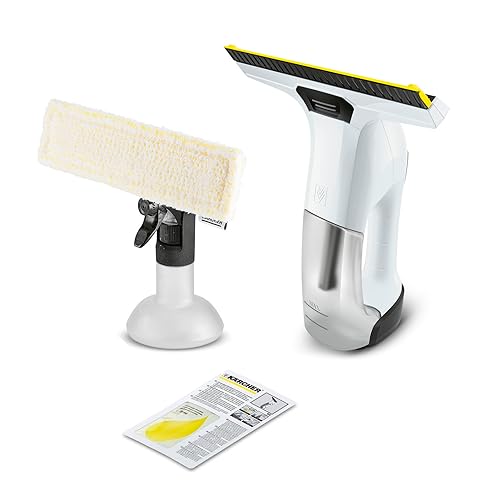
KÄRCHER
Wv 6 Plus Cordless Window Vac, 100 Min Run Time
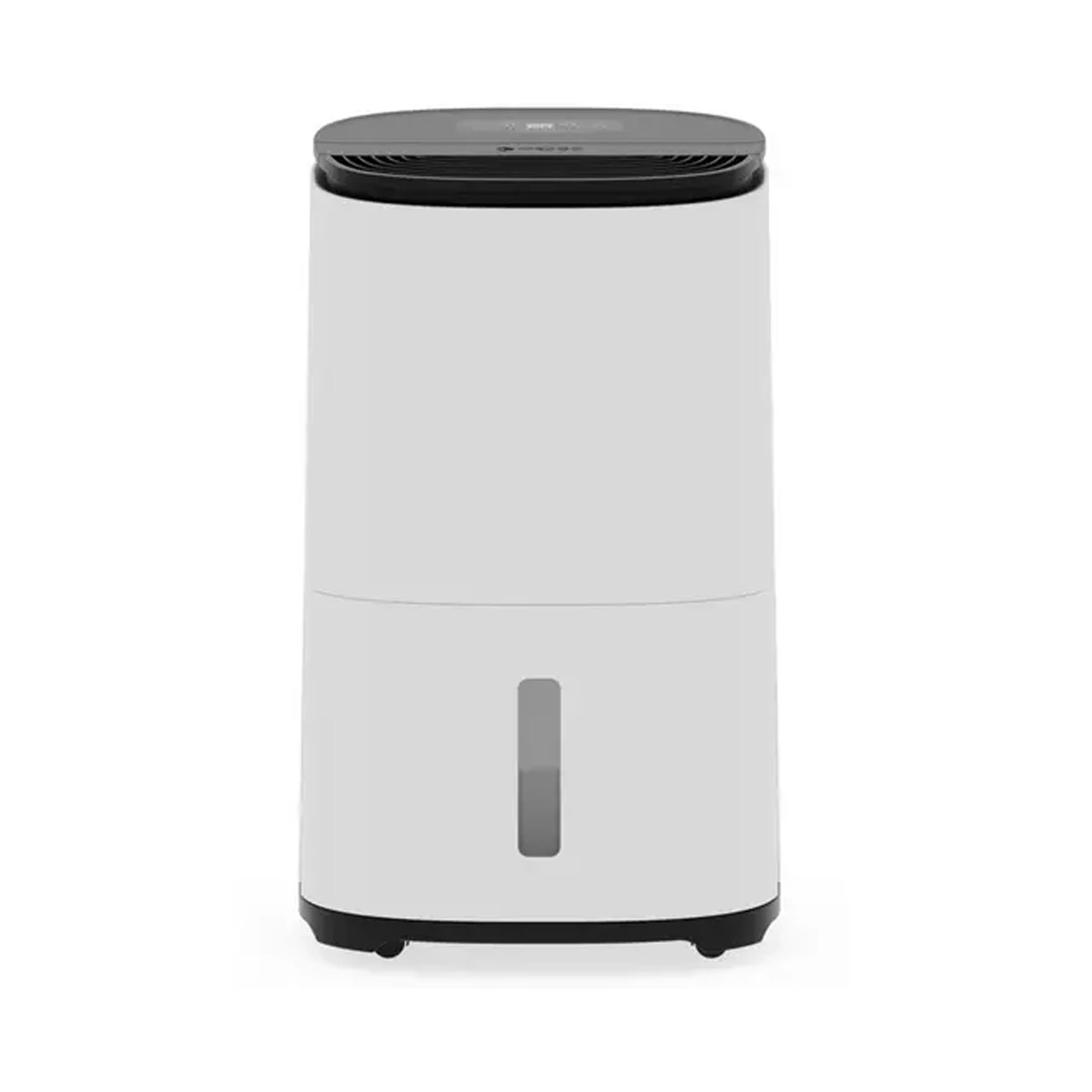
MeacoDry Arete One Dehumidifier
The best dehumidifier we've tested, the MeacoDry Arete One is quiet, easy to use, works superbly and is very energy-efficient compared to other compressor dehumidifiers.
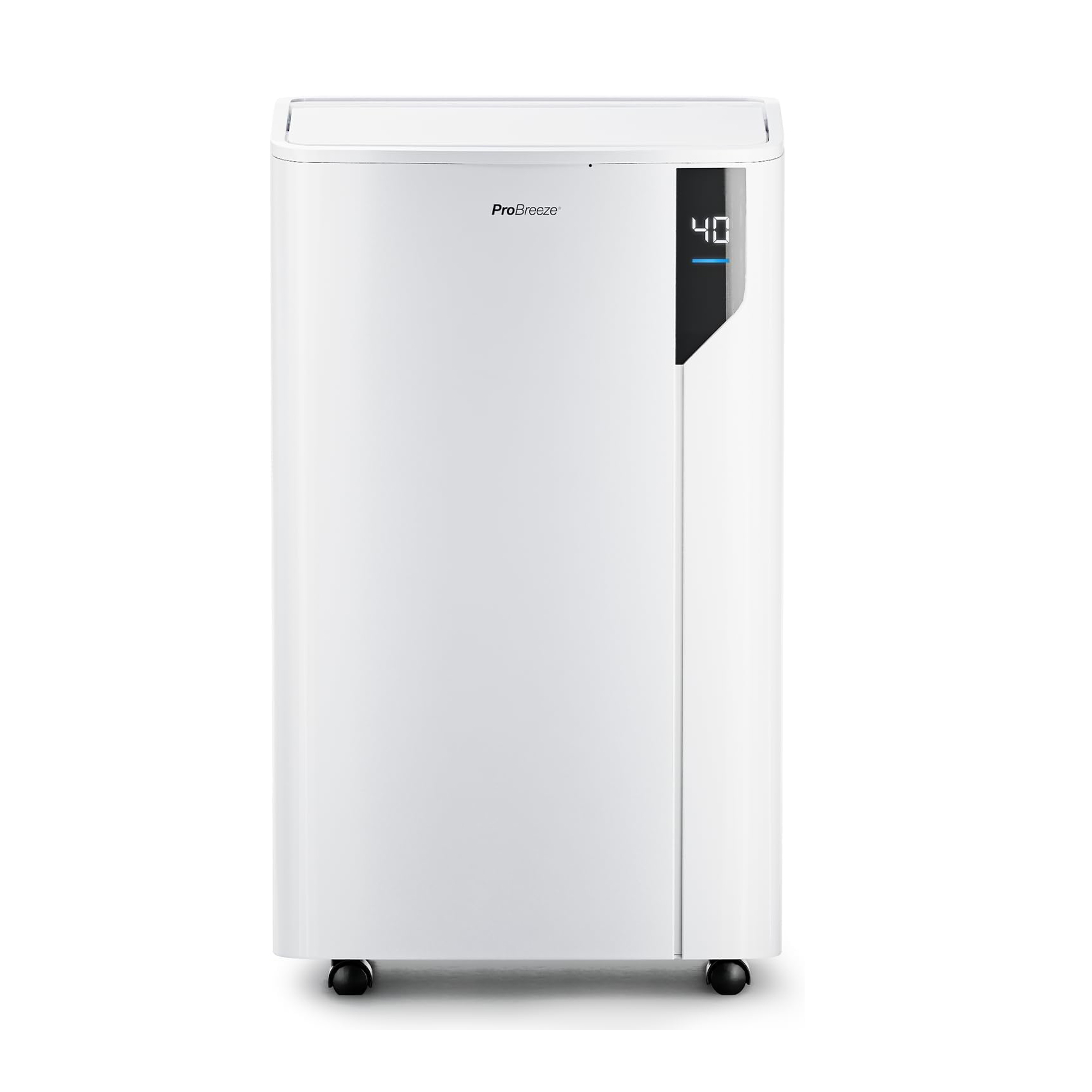
Pro Breeze 20L Premium Dehumidifier with Special Laundry Mode
Whilst we don't think it can quite beat the MeacoDry Arete One on overall performance, Pro Breeze's latest launch, the 20L Premium Dehumidifier with Special Laundry Mode, is the best dehumidifier for drying clothes that we've tested.

Dryzone dehumidifier
The Dryzone dehumidifier and air purifier is our best budget buy. It's a compact two-in-one unit that tackles excess moisture while filtering out dust, allergens and pet dander with its HEPA filter in rooms up to 15m2.
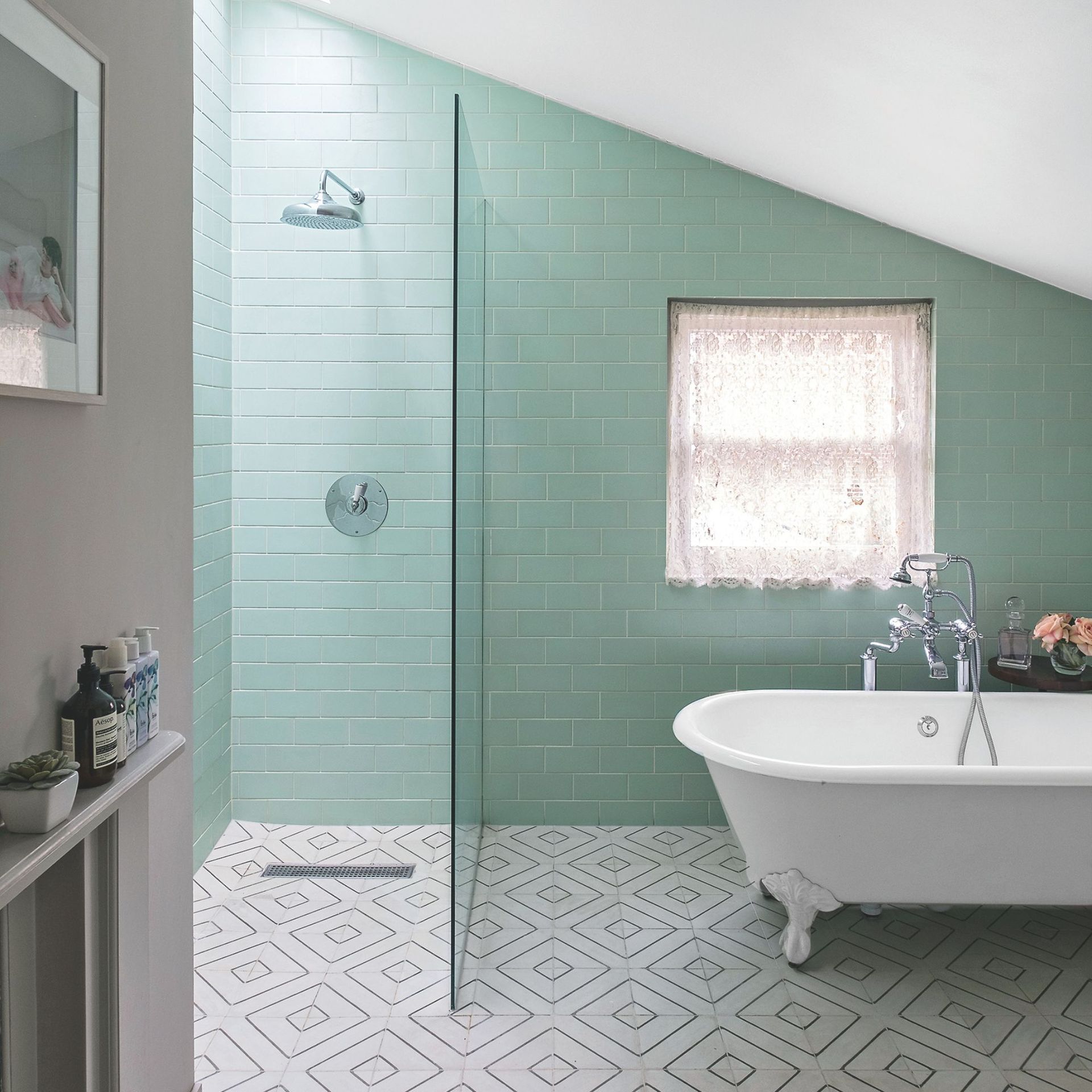
(Image credit: Future PLC)
Mould spots around window frames, in cold corners or behind a wardrobe can indicate a moisture problem.
'Look beyond the room where you first spot it,' advises Chris. 'Moisture from cooking, showering and drying washing can move around the home and settle on colder surfaces.'
Pamela Petty, director at Ebac, warns that excess moisture can also cause 'warped window ledges, peeling paint and wallpaper, and doors sticking due to expansion.'
A dehumidifier can help reduce airborne moisture, but it won't fix a leaking pipe, roof problem or water entering through damaged walls. Investigate the cause, particularly if damp is concentrated in one area, and deal with existing mould as well as the humidity.
HG
Mould Remover Spray | Kills Black Mold & Mildew on Walls & Tiles
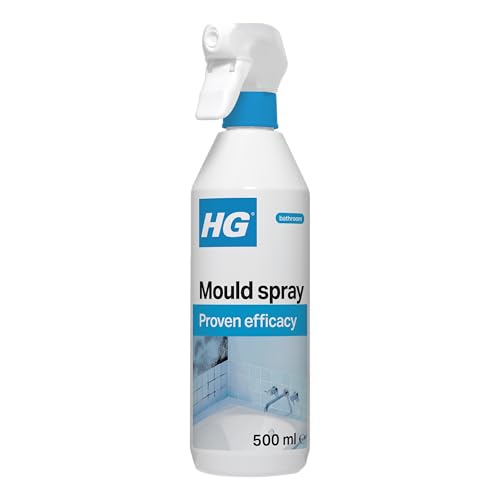
Even though I think prevention is always preferable, I still keep a bottle of HG mould remover spray in my cleaning caddy to blast those tell-tale black spots around windows and in the shower.

(Image credit: Future PLC/Dan Duchars)
Sometimes your nose picks up a problem before you can see it. A lingering musty smell in a bedroom, cupboard or wardrobe deserves a closer look.
'A persistently musty smell around your home can be a sign of damp, even before you see mould,' says Chris. 'Check behind furniture and inside wardrobes and cupboards, where the problem may be less obvious.'
Pamela adds that upholstery and furnishings feeling damp to the touch can be another clue. Check these tucked-away areas for moisture and allow air to circulate around furniture. If the smell persists, investigate its source rather than covering it with fragrance.

(Image credit: Future PLC/Tim Young)
If your clothes spend days on the airer or still feel slightly damp when you put them away, excess humidity could be contributing.
'Now it's autumn, cooler temperatures and closed windows make it harder for washing to dry and moisture to escape,' explains Chris. 'Each load adds moisture to your home, which can build up.'
Temperature, airflow and how closely you hang clothes also affect drying time. However, a dehumidifier can help by removing moisture released by the washing.
Both experts recommend looking for a dedicated laundry mode, like our favourite, the SmartAir Dry Zone dehumidifier, from Amazon, if you regularly dry clothes indoors. Give garments space on the airer and follow the appliance's instructions for positioning.

Great for drying laundry
SmartAir Dry Zone dehumidifier
The SmartAir Dry Zone Dehumidifier is a compact, powerful unit with five modes and a 5.5L tank, extracting up to 20L of moisture per day. It’s quiet, energy-efficient (11p an hour), reduces humidity from 60% to 48% in six hours and dries clothes fast.
(Image credit: Getty Images)
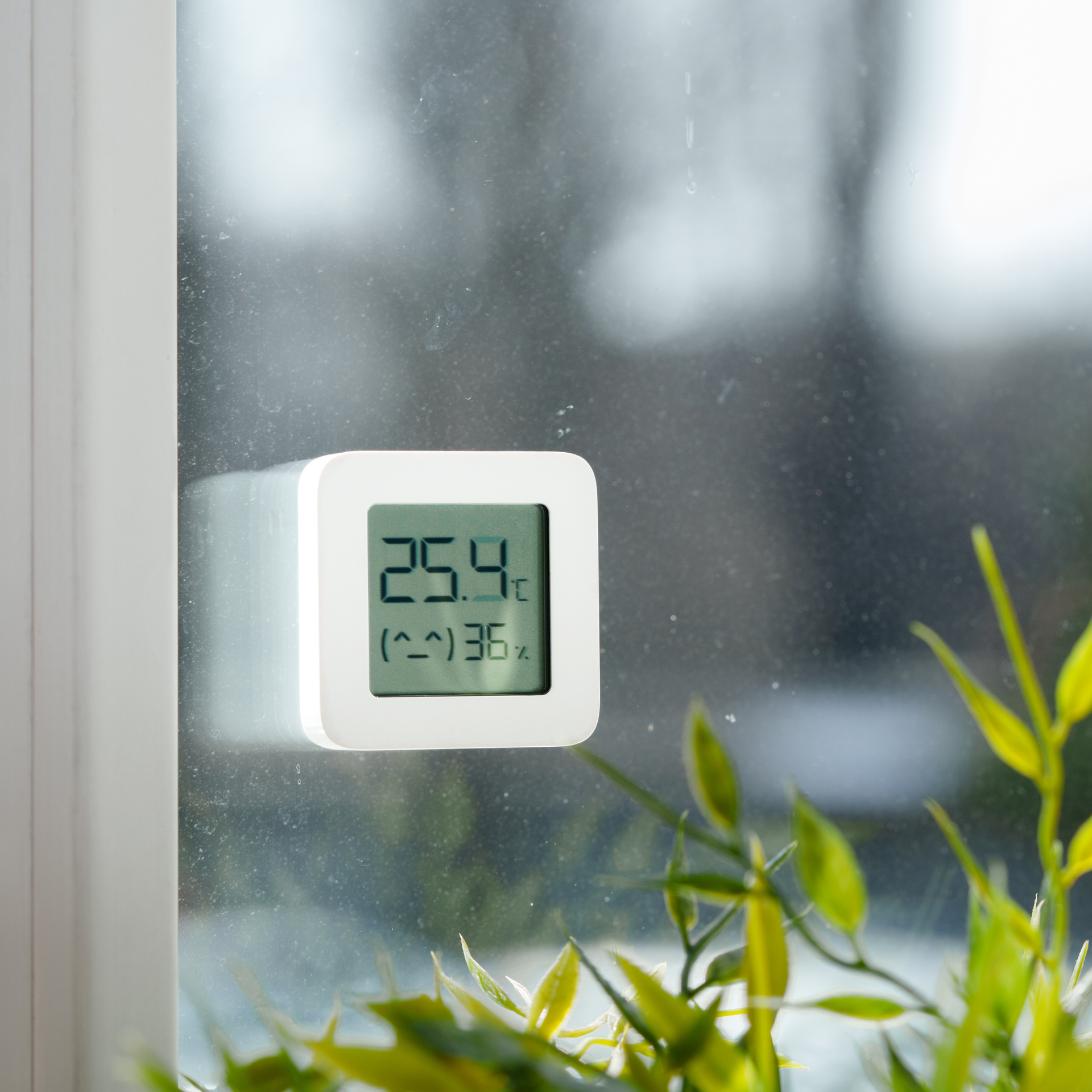
An inexpensive hygrometer, like TempPro's small digital thermometer and hygrometer on Amazon, can help confirm whether your home's humidity is consistently high.
'Readings regularly above 60% indicate excess moisture and suggest your home could benefit from a dehumidifier,' says Chris. He recommends a target of around 55% relative humidity for UK homes.
Check readings over several days, rather than relying on a single measurement immediately after a shower.
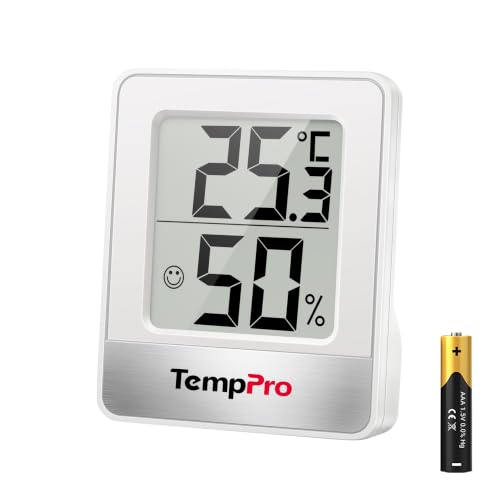
TempPro
Small Digital Hygrometer, Indoor Thermometer, Room Thermometer
Once you've spotted the signs, finding the right model is the next step. Chris recommends considering your home's size, how much washing you dry indoors and the temperature of the space, while Pamela advises comparing energy efficiency alongside the purchase price.
Our guide to how to choose a dehumidifier explains what to look for, from extraction capacity to useful features such as a humidistat and laundry mode.
Cooking, showering, and drying laundry indoors all release moisture into the air. In autumn and winter, when windows stay closed longer, that moisture can become harder to manage, and that's where a good dehumidifier can help.
A dehumidifier can help bring indoor humidity under control, but how do you know whether you actually need one? These are the five signs top experts say to look out for in your home.
1. You regularly wake up to wet windows
(Image credit: Getty Images/Kinga Krzeminska)
A little condensation might not seem particularly alarming, but regularly soaking windows are worth investigating.
'Condensation forms when moist air meets a cold surface,' explains Chris Michael, Meaco’s co-founder and air treatment expert. 'Wiping the glass removes the water, but it does not address the excess moisture in the air.'
If wiping down or vacuuming your windows has become part of your morning routine, check your home's humidity rather than simply dealing with the puddles. Keep frames and sills dry, use extractor fans when cooking and showering and consider a dehumidifier, like the Meaco Arete Two at Appliances Direc, if moisture remains persistently high. Smaller dehumidifiers that usually cost under £100 are also useful for smaller, localised problem areas, like window panes.
KÄRCHER
Wv 6 Plus Cordless Window Vac, 100 Min Run Time
Shop our best dehumidifiers
MeacoDry Arete One Dehumidifier
The best dehumidifier we've tested, the MeacoDry Arete One is quiet, easy to use, works superbly and is very energy-efficient compared to other compressor dehumidifiers.
Pro Breeze 20L Premium Dehumidifier with Special Laundry Mode
Whilst we don't think it can quite beat the MeacoDry Arete One on overall performance, Pro Breeze's latest launch, the 20L Premium Dehumidifier with Special Laundry Mode, is the best dehumidifier for drying clothes that we've tested.
Dryzone dehumidifier
The Dryzone dehumidifier and air purifier is our best budget buy. It's a compact two-in-one unit that tackles excess moisture while filtering out dust, allergens and pet dander with its HEPA filter in rooms up to 15m2.
2. Mould keeps appearing around windows and behind furniture
(Image credit: Future PLC)
Mould spots around window frames, in cold corners or behind a wardrobe can indicate a moisture problem.
'Look beyond the room where you first spot it,' advises Chris. 'Moisture from cooking, showering and drying washing can move around the home and settle on colder surfaces.'
Pamela Petty, director at Ebac, warns that excess moisture can also cause 'warped window ledges, peeling paint and wallpaper, and doors sticking due to expansion.'
A dehumidifier can help reduce airborne moisture, but it won't fix a leaking pipe, roof problem or water entering through damaged walls. Investigate the cause, particularly if damp is concentrated in one area, and deal with existing mould as well as the humidity.
HG
Mould Remover Spray | Kills Black Mold & Mildew on Walls & Tiles
Even though I think prevention is always preferable, I still keep a bottle of HG mould remover spray in my cleaning caddy to blast those tell-tale black spots around windows and in the shower.
3. There's a musty smell that won't shift
(Image credit: Future PLC/Dan Duchars)
Sometimes your nose picks up a problem before you can see it. A lingering musty smell in a bedroom, cupboard or wardrobe deserves a closer look.
'A persistently musty smell around your home can be a sign of damp, even before you see mould,' says Chris. 'Check behind furniture and inside wardrobes and cupboards, where the problem may be less obvious.'
Pamela adds that upholstery and furnishings feeling damp to the touch can be another clue. Check these tucked-away areas for moisture and allow air to circulate around furniture. If the smell persists, investigate its source rather than covering it with fragrance.
4. Washing takes ages to dry indoors
(Image credit: Future PLC/Tim Young)
If your clothes spend days on the airer or still feel slightly damp when you put them away, excess humidity could be contributing.
'Now it's autumn, cooler temperatures and closed windows make it harder for washing to dry and moisture to escape,' explains Chris. 'Each load adds moisture to your home, which can build up.'
Temperature, airflow and how closely you hang clothes also affect drying time. However, a dehumidifier can help by removing moisture released by the washing.
Both experts recommend looking for a dedicated laundry mode, like our favourite, the SmartAir Dry Zone dehumidifier, from Amazon, if you regularly dry clothes indoors. Give garments space on the airer and follow the appliance's instructions for positioning.
Great for drying laundry
SmartAir Dry Zone dehumidifier
The SmartAir Dry Zone Dehumidifier is a compact, powerful unit with five modes and a 5.5L tank, extracting up to 20L of moisture per day. It’s quiet, energy-efficient (11p an hour), reduces humidity from 60% to 48% in six hours and dries clothes fast.
5. Your humidity readings regularly exceed 60%
(Image credit: Getty Images)
An inexpensive hygrometer, like TempPro's small digital thermometer and hygrometer on Amazon, can help confirm whether your home's humidity is consistently high.
'Readings regularly above 60% indicate excess moisture and suggest your home could benefit from a dehumidifier,' says Chris. He recommends a target of around 55% relative humidity for UK homes.
Check readings over several days, rather than relying on a single measurement immediately after a shower.
TempPro
Small Digital Hygrometer, Indoor Thermometer, Room Thermometer
Once you've spotted the signs, finding the right model is the next step. Chris recommends considering your home's size, how much washing you dry indoors and the temperature of the space, while Pamela advises comparing energy efficiency alongside the purchase price.
Our guide to how to choose a dehumidifier explains what to look for, from extraction capacity to useful features such as a humidistat and laundry mode.