
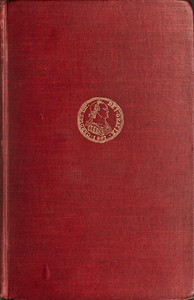
A history of the Peninsular War, Vol. 1, 1807-1809 : From the treaty of…
So, you think Napoleon was unbeatable until he met his end at Waterloo? Charles Oman's first volume on the Peninsular War will make you think again. This book covers the explosive opening years, from 1807 to 1809, when Napoleon's attempt to control the Iberian Peninsula sparked a fire he couldn't put out.
The Story
It starts with what seems like a simple power grab. Napoleon bullies Spain and Portugal, forcing treaties and placing his brother on the Spanish throne. He figures it'll be easy. He's wrong. The Spanish people erupt in a nationwide rebellion—not an organized army, but a furious, messy insurgency. Into this chaos marches a small British army, led by Sir Arthur Wellesley (the future Duke of Wellington). They win a few sharp battles, like Vimeiro, proving the French can be beaten. But then politics and confusion take over. The British command changes, and the new general, Sir John Moore, leads a legendary and grueling winter retreat to the coast at Corunna to save his army from being trapped. The book ends with the French temporarily in control, but the 'Spanish Ulcer' is now wide open, bleeding Napoleon's resources dry.
Why You Should Read It
Oman's genius is making clear sense of a very confusing period. He doesn't just list battles; he explains why things happened. You get the political blunders in Madrid and Paris, the raw courage of the Spanish guerrillas, and the tough decisions of British commanders. He shows how a local conflict became a war of attrition that tied down hundreds of thousands of French troops. It's a masterclass in how empires can be undone not just by armies, but by stubborn national spirit and bad geography.
Final Verdict
This is the definitive starting point for anyone curious about the Napoleonic Wars beyond the famous battles. It's perfect for history buffs who love deep dives into strategy and politics, and for anyone who enjoys a true underdog story. Be warned, it's detailed and written in a classic, early-20th century style, so it demands a bit of focus. But if you stick with it, you'll be rewarded with the brilliant, foundational account of the conflict that changed Europe. Think of it as the essential prequel to the story of Waterloo.
This digital edition is based on a public domain text. Preserving history for future generations.
Emma Hernandez
3 months agoThis is one of those stories where the plot twists are genuinely surprising. I will read more from this author.
Oliver Johnson
1 year agoAfter hearing about this author multiple times, it challenges the reader's perspective in an intellectual way. I learned so much from this.




William Smith
1 year agoBeautifully written.